Hantavirus and Food Manufacturing
How Strong Pest Prevention Keeps Your Facility SafeHantavirus and Food Manufacturing
Effective rodent control is one of the most important — and manageable — components of a food safety program.
Recent news about a hantavirus outbreak aboard the expedition cruise ship MV Hondius has brought renewed attention to rodent-borne illnesses and how they spread. For food manufacturers, this is a timely reminder to review pest prevention programs — not out of alarm, but as part of responsible, proactive food safety management.
The good news? With the right systems in place, the risks associated with hantavirus and other rodent-borne hazards are highly preventable.
Understanding Hantavirus: A Quick Overview
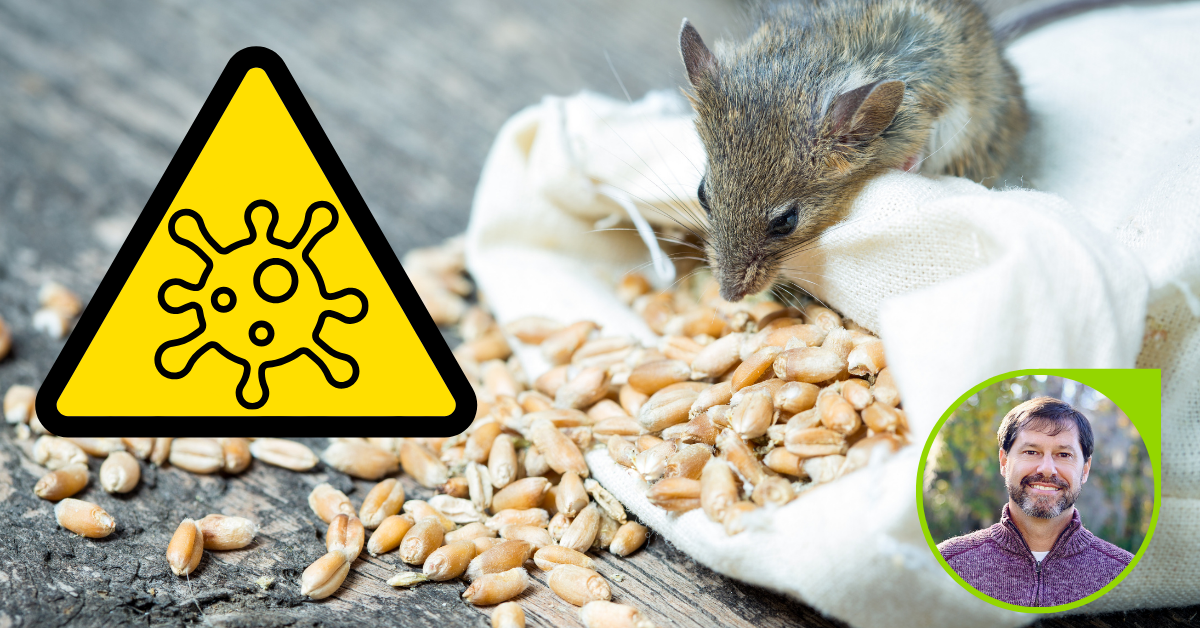
Hantavirus is transmitted through contact with infected rodent urine, droppings, saliva, or nesting materials — most often when contaminated dust becomes airborne in enclosed spaces. It is not spread person-to-person, and it does not travel through food itself. However, food manufacturing environments do warrant attention because they can attract rodents and, without proper controls, create conditions for undetected activity.
According to the CDC and World Health Organization, the key to preventing exposure is straightforward: limit rodent access, reduce harborage opportunities, and ensure employees know how to identify and report early signs of activity.
Why Food Manufacturing Facilities Benefit from Extra Vigilance
Food manufacturing facilities naturally offer things rodents look for — warmth, food sources, water, and shelter. That’s not a flaw unique to any one facility; it’s simply the nature of the environment. What matters is having controls in place that address these attractants before a problem develops.
A few facility-specific factors worth keeping in mind:
- Ventilation systems can circulate airborne particles if rodent activity goes undetected in certain areas, which is why early detection matters.
- Dry storage areas are common harborage spots and deserve routine attention during sanitation and inspections.
- Cleaning practices in areas where rodent activity is suspected should include appropriate PPE to minimize any airborne exposure risk.
- Packaging and raw materials should be stored and monitored in ways that prevent contact with potential contaminants.
None of these are cause for concern on their own — they’re simply areas where consistent attention pays off.

What a Strong Pest Prevention Program Looks Like
The most effective approach to pest prevention in food manufacturing is a proactive, integrated one. Rather than waiting for visible signs of activity, well-designed programs build prevention into everyday operations. As outlined in Food Safety & Quality Services' article "Building an Effective Food Safety Pest Prevention Program," key components include:
- Routine exterior and interior inspections to identify and seal potential entry points — gaps around doors, utility penetrations, rooflines, and the foundation
- Sanitation procedures that specifically reduce harborage opportunities in storage areas, equipment voids, and perimeter zones
- Pest monitoring with trend analysis so that minor changes in activity are caught and addressed early
- Employee training so that staff at every level know what signs of rodent activity look like and how to report them quickly
- Supplier and contractor controls to manage the risk of pest introduction from outside the facility
- Documented corrective action protocols that ensure findings are resolved and verified
When these elements work together, pest prevention becomes a natural part of daily operations rather than a reactive task.
The Connection to Audit Readiness and Compliance
It’s worth noting that strong pest prevention isn’t just good public health practice — it’s also central to food safety compliance. Rodent control deficiencies are among the most commonly cited findings in food safety audits, and a well-maintained program supports:
- GFSI certifications such as SQF, BRC, and FSSC 22000
- FDA FSMA Preventive Controls requirements
- Third-party customer and retailer audit standards
- Environmental monitoring program effectiveness
Investing in prevention consistently tends to be far less costly — in time, resources, and disruption — than addressing a problem after it has developed.
A Practical Starting Point for Facility Managers
If news coverage of the MV Hondius outbreak has prompted you to take a fresh look at your program, here are some straightforward steps to consider:
- Walk your facility’s exterior and look for any unsealed gaps, cracks, or utility entry points
- Review recent pest monitoring logs for any trends worth investigating
- Confirm that sanitation schedules specifically address rodent harborage reduction
- Check that employees know the signs of rodent activity and the internal reporting process
- Review PPE guidance for cleaning in any area where rodent activity is suspected
- Verify that prior pest-related audit findings have been fully resolved
Pest Prevention Is a Team Effort
The facilities that handle pest prevention most effectively tend to share one thing in common: it’s treated as a shared responsibility across operations, maintenance, sanitation, quality assurance, and leadership. When everyone — from the employee who notices a gap in a door seal to the QA manager reviewing monitoring data — understands their role, programs stay strong and responsive.
Food Safety & Quality Services helps food manufacturers build and strengthen their pest prevention programs through training, consulting, auditing support, and preventive program development. Contact Food Safety & Quality Services to learn more.

About the author

Lance Roberie
Food Safety Consultant and TrainerLance Roberie has over 26 years of quality assurance and food safety experience within the food industry. Mr. Roberie holds the following certifications:
- Certified Food Safety HACCP Manager
- Preventative Controls for Human Foods (PCQI) Lead Instructor
- Meat & Poultry and Seafood HACCP Lead Instructor
- FSPCA Food Defense (IAVA) Lead Instructor
- ASQ Certified Manager of Quality & Organizational Excellence
- ServSafe Instructor and Exam Proctor
- GFSI Specialist
- ASQ Certified Food Safety and Quality Auditor
- Food Safety Council Member and Advisor for a leading food manufacturer
Lance and the Food Safety & Quality Services' training curriculum will advance your team's food safety knowledge through certified training, consulting, and "real life" industry scenarios.
upcoming Classes
November 4, 2026 08:00 AM - November 6, 2026 05:00 PM
December 1, 2026 08:00 AM - December 2, 2026 05:00 PM
October 29, 2026 08:00 AM - October 30, 2026 05:00 PM
Need a Food Safety Specialist?
Free 15 Minute Consultation.Learn how we helped Abita Brewing Company pass their first food safety audit with an A grade.